Canada in Focus: Arctic Tensions, Economic Downturn, and Paralympic Glory Dominate Headlines


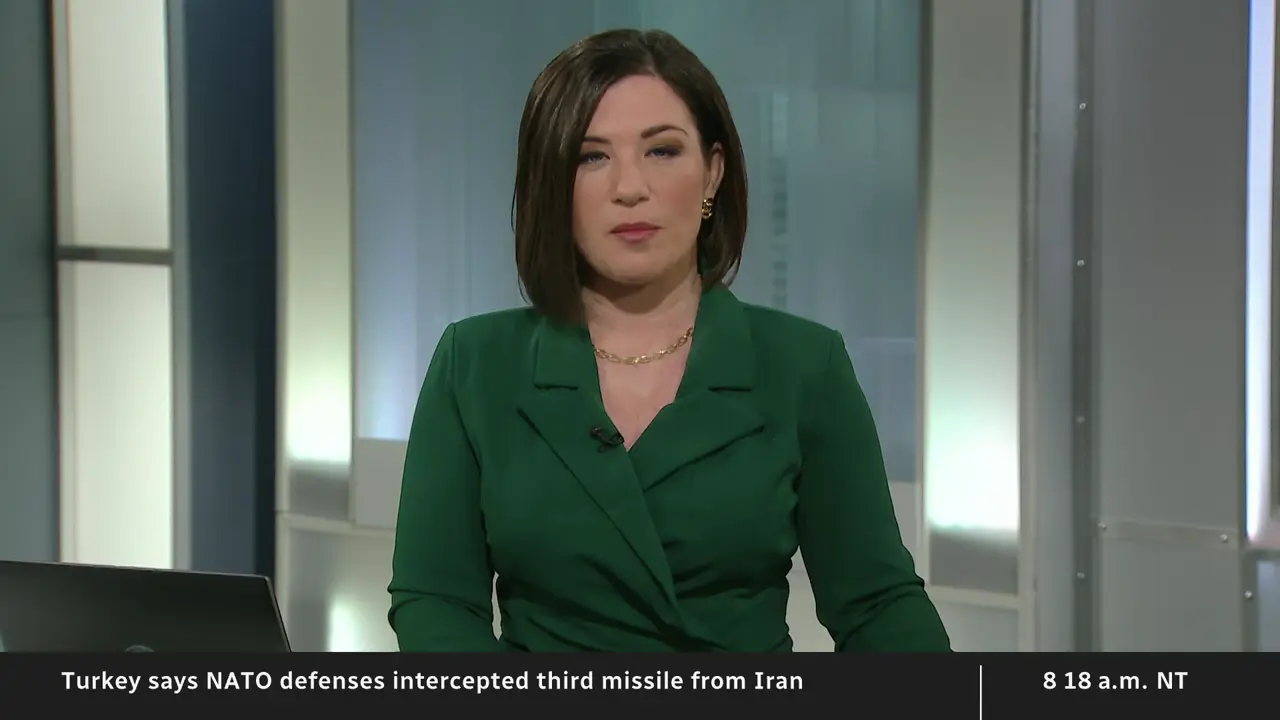
Canada’s Arctic pivot sharpens as Prime Minister Mark Carney’s diplomatic and military moves dominate the week’s political agenda. From Oslo to Ottawa, the government’s $35 billion Arctic infrastructure push and NATO exercises are reframing Canada’s role in a volatile global order. Meanwhile, Canada’s job market stumbles, with unemployment hitting pandemic-era highs and economists warning of deeper structural strains. Against this backdrop, Canada’s Paralympians deliver a masterclass in resilience, securing gold after gold in Milano Cortina. Across the globe, escalating Middle East conflicts and domestic crises—from Detroit synagogue attacks to plasma donation safety scandals—paint a picture of a world on edge.
Arctic security takes centre stage as Prime Minister Mark Carney’s high-stakes trip to Norway underscores Canada’s strategic pivot. The visit, framed as a commitment to NATO’s Arctic exercises, comes amid rising tensions with Russia and the ongoing war in Ukraine. Carney’s announcement of a $35 billion investment in northern infrastructure—spanning defence, connectivity, and Indigenous-led development—signals a long-term play to solidify Canada’s presence in the region. Analysts describe the move as both a response to geopolitical pressures and a bid to address long-neglected northern communities.
Canada’s job market hits a rough patch as Statistics Canada reports the loss of 84,000 jobs in February, the steepest decline since the pandemic. Unemployment now sits at 6.8%, the highest since 2021, with economists pointing to U.S. trade actions, demographic shifts, and sectoral slowdowns as key drivers. Prime Minister Carney has framed the downturn as a temporary setback, but opposition leaders are seizing on the figures to question the government’s economic stewardship. The Bank of Canada’s Doug Porter warns of ‘persistent headwinds’ ahead, while the Liberal government insists its stimulus measures will cushion the blow.
Paralympic triumphs shine bright as Canada’s athletes dominate the Milano Cortina Games. Natalie Wilkie, the country’s golden girl, adds to her medal tally with a fourth gold in cross-country skiing, while the Paralympic hockey team gears up for a high-stakes semifinal against China. Analysts credit Canada’s Paralympic program for its inclusive approach, blending elite performance with accessibility. The victories come at a time when the Paralympics are gaining unprecedented global attention, with broadcasters and sponsors doubling down on coverage.
Middle East escalates as Israel and Iran exchange airstrikes, drawing in U.S. military support and raising fears of a wider regional conflict. The use of cluster munitions in Tel Aviv and retaliatory strikes on Iranian soil have pushed tensions to their highest point in years. Former U.S. President Donald Trump’s intervention—condemning Iran’s actions while signalling U.S. backing for Israel—has further complicated diplomatic efforts. Meanwhile, in Detroit, a synagogue attack labelled a hate crime by Michigan’s governor has reignited debates over domestic extremism and community safety.
Plasma donation scandal rocks Canada as an investigative report links recent deaths to unsafe practices in compensated plasma donation centres. Health Canada faces calls to overhaul its safety standards, with critics arguing the current system prioritises profit over patient welfare. The scandal has prompted an outpouring of grief from affected families and a vow from Ottawa to ‘act decisively’ to prevent future tragedies. As the debate rages, plasma donation centres across Manitoba and Ontario remain under scrutiny.
Toronto’s Al-Quds Day rally sparks controversy as Ontario Premier Doug Ford seeks an injunction to block the event, citing concerns over anti-Semitism and potential violence. The move has drawn sharp criticism from civil liberties groups, who argue it infringes on free speech rights. Meanwhile, Toronto Police prepare for a heavy presence, with Mayor Olivia Chow urging calm amid fears of escalating tensions. The debate reflects broader societal fractures over the Israel-Palestine conflict and the limits of protest in a multicultural city.
Quebec’s alcohol market adapts to U.S. tariffs, with local distilleries reporting a surge in demand as consumers pivot away from imported products. The shift has sparked a debate over protectionism versus market openness, with industry experts warning that tariffs could backfire by stifling competition. Meanwhile, the federal government remains tight-lipped on whether it will intervene to support affected sectors.
Global oil markets tremble as the Iran war sends prices soaring. The International Energy Agency warns of ‘volatility spikes’ as supply chains from the Strait of Hormuz face disruption. Analysts predict further price hikes if the conflict escalates, with ripple effects likely to hit Canada’s energy-dependent provinces hardest. The crisis has also reignited debates over Canada’s role in global energy security, with calls for Ottawa to accelerate its transition to renewable sources.
Baseball fever grips North America as Canada and the U.S. face off in the World Baseball Classic quarterfinals. The matchup, billed as a clash of titans, has revived memories of Canada’s 2006 upset win. Analysts are divided over whether Canada’s underdog status will carry the day, but the hype is undeniable—stadiums are sold out, and social media is ablaze with predictions. For Canada, a win could be a defining moment in its quest to establish itself as a baseball powerhouse.
Canada’s political landscape shifts as opposition parties challenge the Liberal government’s majority. Floor crossings among MPs and by-election upsets have thrown the political calculus into flux, with the NDP and Conservatives jockeying for position ahead of the next federal vote. Analysts describe the current moment as a ‘period of instability,’ with no clear path to a stable majority. Meanwhile, Liberal strategists insist their policies remain popular, pointing to recent polling that shows strong support for their handling of the economy and social issues.
Infrastructure investment meets Arctic reality as Northwest Territories Premier RJ Simpson weighs in on the federal government’s $35 billion Arctic plan. Simpson, a vocal advocate for northern development, praises the investment but warns that ‘money alone won’t solve decades of neglect.’ He highlights procurement delays, Indigenous consultation gaps, and the need for long-term planning as critical challenges. His interview offers a rare glimpse into the operational realities of Arctic development, where ambition often outpaces execution.