Canada’s fuel tax cut, Iran blockade and Senators’ playoff push: The top stories shaping April 14, 2026


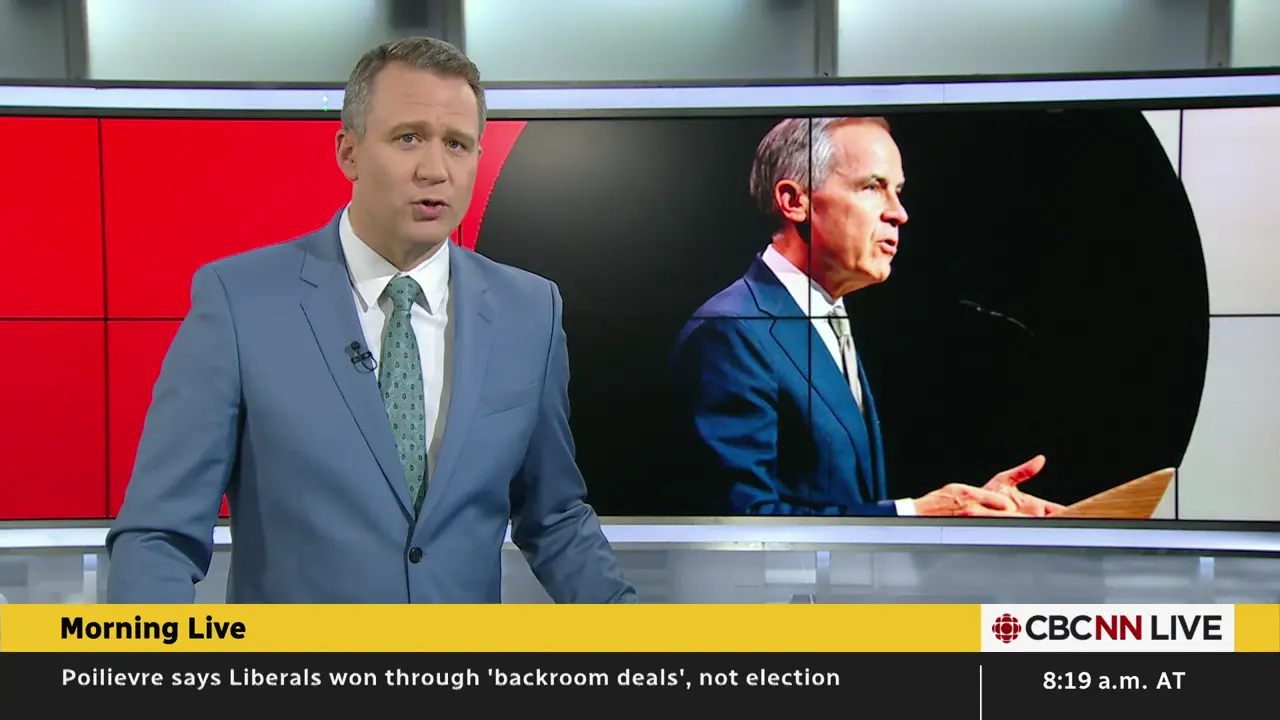
Prime Minister Mark Carney’s government has gambled on a temporary fuel tax holiday to ease cost-of-living pressures, but the move is already sparking fierce debate over its economic wisdom and political durability. As U.S. warships patrol the Strait of Hormuz and Iran vows retaliation, the geopolitical stakes are rising fast. Meanwhile, the Ottawa Senators’ playoff surge is uniting a city, and a CBC investigation uncovers systemic grocery fraud that may have cost Canadians millions. These are the stories driving Canada’s news cycle today.
Fuel tax holiday fuels political firestorm
The federal government’s surprise announcement of an 11.5-cent-per-litre cut to gasoline excise tax and a 4.5-cent reduction for diesel, effective April 20, was framed as a lifeline for squeezed households. Mark Carney defended the measure as a targeted response to inflation, telling CBC’s Karina Roman that ‘this is about putting money back in people’s pockets when they need it most.’ The move follows weeks of protests over grocery prices and housing costs, with opposition leader Pierre Poilievre accusing the government of ‘desperate electioneering’ that does little to address structural affordability issues.
The policy shift comes as the government prepares its April 28 fiscal update, where Finance officials are expected to unveil broader economic relief measures. Political analysts note the timing aligns with a critical juncture in the government’s mandate, with polls showing waning public confidence in its economic stewardship. ‘This is a high-risk play,’ said University of Ottawa economist Dr. Janet Milbrat. ‘The tax cut will provide immediate relief, but it does nothing to address the supply-side constraints driving inflation.’
The decision also risks complicating Canada’s fiscal picture, with the Parliamentary Budget Officer warning that the revenue loss could widen the deficit by as much as $3.2 billion over the next fiscal year. Finance Minister Pierre Paliève pushed back, arguing that the ‘multiplier effect’ of consumer spending would offset the shortfall. ‘We’re not just cutting taxes; we’re investing in people’s ability to spend,’ Paliève told reporters in Toronto.
Iran blockade escalates as global oil markets brace for shock
The U.S. blockade of Iranian ports entered its second day, with U.S. Central Command deploying warships and aircraft to enforce the measure in the Strait of Hormuz and Gulf of Oman. The operation, codenamed ‘Iron Strait,’ aims to cut off Iran’s oil exports—a move Trump framed as a necessary step to ‘deny the regime its lifeblood.’ Iranian officials responded with defiance, with Supreme Leader Ayatollah Khamenei vowing ‘a firm and crushing response’ to what he called ‘economic warfare.’
CBC’s Sasha Petrosik, reporting live from Jerusalem, described ‘a palpable sense of tension’ across the region as tankers are turned away from Iranian ports. ‘The U.S. strategy hinges on deterring Iran from retaliating directly, but the risk of miscalculation is high,’ Petrosik said. Energy analysts warn the blockade could trigger a supply shock, pushing global oil prices above $100 a barrel and reigniting inflationary pressures worldwide. ‘This is a game-changer,’ said energy strategist Michael Peters. ‘If Iran responds by disrupting shipping in the Strait of Hormuz, we could see a full-blown energy crisis.’
The blockade’s economic fallout is already being felt in Canada, where fuel prices have become a political flashpoint. Gasoline prices in Vancouver and Toronto surged by 5% overnight, with industry groups warning of potential shortages if the standoff escalates. ‘We’re in uncharted territory,’ said Joe Horwood, CBC’s senior business correspondent. ‘The blockade could disrupt global supply chains, and Canada is not immune.’
BC’s fentanyl crisis deepens as NDP government faces scrutiny
British Columbia’s opioid crisis has claimed another 1,247 lives in the past year, with fentanyl now detected in 90% of overdose deaths, according to provincial health minister David Eby. The NDP government’s response—expanding supervised consumption sites and decriminalizing small amounts of drugs—has drawn both praise and condemnation. Critics, including federal Conservative leader Pierre Poilievre, argue the policy is ‘enabling addiction’ and failing to address root causes.
Eby defended the approach, telling CBC’s panel that ‘harm reduction saves lives.’ He pointed to data showing a 15% reduction in overdose deaths in Vancouver’s Downtown Eastside, where supervised sites have been operating since 2023. ‘We’re not giving up on people; we’re giving them a chance to survive,’ Eby said. The debate comes as the federal government prepares to unveil its national drug strategy, with Health Canada officials hinting at a ‘phased approach’ that balances treatment and enforcement.
Grocery giants Loblaw and Sobeys accused of systemic food fraud
A CBC Marketplace investigation has exposed widespread underweight meat packaging at Loblaw and Sobeys, with former Canadian Food Inspection Agency (CFIA) inspector Karen Weber alleging that ‘the industry has been gaming the system for years.’ The probe found that some packages of ground beef and chicken were up to 15% underweight, costing consumers an estimated $50 million annually. ‘This is not a case of a few bad apples; it’s a systemic failure of oversight,’ Weber told CBC’s Sophia Harris.
Loblaw and Sobeys issued statements denying wrongdoing, but the scandal has reignited calls for stricter regulations and independent audits. ‘Consumers deserve better,’ said Halifax shopper Marcia Thompson, who filed a complaint after weighing a package of ground beef at 850 grams instead of the advertised 1 kilogram. The investigation also revealed that the CFIA has issued repeated warnings to Loblaw since 2022, but enforcement has been inconsistent. ‘The system is broken,’ said Harris. ‘We need transparency and accountability.’
Ottawa Senators’ playoff run unites city amid political and economic turmoil
The Ottawa Senators’ clinching of a playoff spot for the second consecutive year has become a rare bright spot in a city grappling with economic uncertainty and political division. Fans like Eric Hobbins, a local artist and small business owner, have embraced the team’s success as a symbol of resilience. Hobbins, who runs a hockey shop in Kanata, has turned his passion into a community effort, designing custom jerseys and outfits for fans while raising funds for youth hockey programs. ‘The Senators are more than a team; they’re a family,’ Hobbins told CBC. ‘In these tough times, they give us something to believe in.’
The Senators’ playoff push has also boosted local businesses, with restaurants and bars reporting a 20% uptick in sales. ‘People are coming together to celebrate,’ said Bell Sensplex manager Bruce Firestone. ‘It’s exactly what this city needs right now.’ The team’s success comes as Ottawa’s economy faces headwinds from high interest rates and global supply chain disruptions, making the playoff run a timely morale booster.
Alberta’s private medical testing plan sparks healthcare debate
Alberta’s government is moving forward with legislation allowing residents to pay out-of-pocket for private medical tests without a doctor’s note, a move aimed at easing pressure on the public healthcare system. Health officials argue the phased approach will help identify early-stage conditions while reducing wait times. ‘This is about giving Albertans more control over their health,’ said a spokesperson for the Alberta Medical Association. Critics, however, warn the policy could exacerbate inequality, with wealthier patients gaining access to faster diagnoses while others are left behind.
The plan has drawn comparisons to similar programs in South Korea and Japan, where private testing has been credited with reducing cancer mortality rates. ‘We’re not privatizing healthcare; we’re supplementing it,’ said the unnamed health minister. The legislation is expected to pass in the next session, with implementation slated for early 2027.
Glooscap First Nation’s cannabis referendum highlights Indigenous economic development
The Glooscap First Nation in Nova Scotia is debating whether to legalize cannabis, a move that could generate millions in revenue and create jobs for Indigenous communities. Gail Tupper, a council member, told CBC that the referendum reflects ‘a broader conversation about economic sovereignty.’ The nation is exploring partnerships with the Nova Scotia Liquor Corporation (NSLC) to ensure local control over production and sales. ‘This is about more than money; it’s about reclaiming our future,’ Tupper said.
Supporters argue legalization could fund housing, education, and healthcare programs, while opponents cite concerns about youth access and community cohesion. The debate has drawn national attention, with Indigenous leaders from across Canada weighing in. ‘This could be a model for other communities,’ said Robin Hazard, a policy analyst with the Assembly of First Nations.
Press Monitor Clips: Federal fuel tax holiday announcement; CBC Investigation: Underweight Meat Scandal; Live from Jerusalem: CBC Senior Correspondent Tracks Blockade Developments