Canada’s Political, Economic and Social Pulse: Carney vs Poilievre, Whitecaps Controversy, and AI Job Market Shifts


Canada’s political fault lines widen as Prime Minister Mark Carney and Opposition Leader Pierre Poilievre clash over economic policy in a high-stakes parliamentary debate. The exchange—broadcast live from Ottawa—centred on deficit management, carbon taxes, and infrastructure spending, with Carney defending the government’s record while Poilievre accused Ottawa of fiscal mismanagement. The debate unfolded against a backdrop of rising geopolitical tensions, including the ongoing Iran conflict, which has roiled global energy markets and complicated Canada’s trade outlook. The confrontation capped a week of intense parliamentary scrutiny, with both leaders trading barbs over who is better equipped to steer the economy through uncertainty.
U.S. Defense Secretary grilled on Iran war strategy at a raucous Capitol Hill hearing, where lawmakers accused the Pentagon of misleading Congress about the conflict’s trajectory. Republican firebrand Pete Hegseth led the charge, alleging that the Defense Department had downplayed the risks of escalation while failing to articulate a coherent military strategy. The testimony, broadcast on CBC Radio One Winnipeg’s international feed, underscored the deep divisions in Washington over America’s role in the Middle East and the potential for a wider regional war. The hearing also highlighted the Trump administration’s fraught relationship with congressional oversight, with Democrats demanding greater transparency and accountability.
Vancouver Whitecaps FC on the brink of MLS exit as ownership signals intent to relocate the team to Las Vegas, sparking outrage among fans and local officials. The controversy has dominated sports headlines, with CBC’s Ravi Kallon reporting from Vancouver that the move—driven by financial motivations—threatens to sever the club’s 17-year ties to the city. The fallout has extended beyond the pitch, with municipal leaders in both Vancouver and Toronto scrambling to respond to the crisis. Meanwhile, the FIFA World Cup’s looming presence in North America has added another layer of complexity, with local events being cancelled and tourism patterns disrupted across the continent.
AI’s disruptive shadow over Canada’s job market deepens as young workers face an uncertain future, with experts warning that entry-level positions are increasingly vulnerable to automation. John Rowe of the Angus Reid Institute, in an exclusive interview with CBC Radio One Winnipeg, highlighted the growing anxiety among young Canadians about AI’s encroachment on traditional career paths. The discussion comes as the federal government rolls out its ‘Team Canada Strong’ initiative, aimed at recruiting trades workers to fill labour shortages. Yet, the initiative’s success may hinge on whether Ottawa can adapt to the rapid pace of technological change—or risk leaving a generation behind.
Health Canada approves generic Ozempic, a landmark decision that could slash drug costs for millions of Canadians battling diabetes and obesity. The move follows years of advocacy by patient groups and health economists, who argued that the high price of brand-name Ozempic was pricing out vulnerable populations. Mina Tadros, a policy analyst with Health Canada, told CBC that the approval of the first generic version could save patients hundreds of dollars annually, though uptake will depend on provincial formularies and pharmacist education. The decision also raises broader questions about Canada’s generics market, with Health Canada currently reviewing eight additional submissions that could further drive down healthcare costs.
OpenAI faces a wave of lawsuits from families of victims of the Tumblr Ridge mass shooting, who allege the company failed to act on violent content generated by ChatGPT. Jay Adelson, lead counsel for the plaintiffs, told CBC that the lawsuits—filed in California courts—represent a turning point in the debate over AI accountability. The cases hinge on whether OpenAI’s internal safety team breached its duty to report threats, with Adelson arguing that the company’s decision to sue in the U.S. rather than Canada reflects a strategic calculation to secure higher damages. The legal battle has drawn global attention, with implications for how AI companies worldwide handle user-generated content and safety protocols.
Canada’s pension system gets a reprieve as contribution rates are adjusted downward from 9.9% to 9.5%, easing pressure on employers and workers alike. Pension plan administrators, speaking to CBC Radio One Winnipeg, attributed the change to improved investment returns and a more stable economic outlook. The adjustment comes as Ottawa grapples with the broader challenge of ensuring retirement security for an aging population, with critics warning that further cuts could undermine the long-term health of the fund. The debate over pension contributions has taken on added urgency amid concerns about inflation and market volatility, with stakeholders divided over whether the new rates strike the right balance between affordability and sustainability.
Disability advocates cheer reforms to Canada’s Disability Tax Credit, but warn that bureaucratic hurdles remain. Ashley Burke, a policy analyst with Disability Without Poverty, told CBC that the federal government’s proposal to expand the list of certifying practitioners and simplify the application process could significantly reduce wait times for applicants. The changes follow years of criticism that the DTC’s rigid requirements were excluding many Canadians with long-term conditions. Yet, Burke cautioned that the reforms—while welcome—do not address the broader issue of inadequate financial support for people with disabilities, leaving many still struggling to make ends meet.
Oil prices surge past $90 a barrel as geopolitical tensions in the Middle East disrupt global supply chains, sending shockwaves through Canada’s energy sector. Frances Donald, chief economist at RBC, told CBC Radio One Winnipeg that the spike in crude prices—driven by fears of a wider Iran conflict—could reignite inflationary pressures and force the Bank of Canada to reconsider its cautious approach to interest rates. The Bank’s decision to hold rates steady at 2.25% has drawn mixed reactions, with some analysts praising the move as a prudent response to uncertainty, while others argue that further hikes may be necessary to curb inflation. The debate over monetary policy has taken on added significance as Ottawa navigates the dual challenges of economic growth and fiscal sustainability.
Canada’s skilled trades sector gets a $6 billion lifeline as the federal government unveils a sweeping investment aimed at training the next generation of workers. Sarah Watts Reinard, president of Polytechnics Canada, told CBC that the funding—part of the ‘Team Canada Strong’ initiative—will support apprenticeship programs, wage subsidies, and infrastructure upgrades across the country. The announcement comes as labour shortages in sectors like construction and manufacturing threaten to derail Canada’s economic recovery. Yet, critics warn that the initiative’s success will depend on whether Ottawa can address systemic barriers, including access to affordable childcare and transportation, that have long discouraged young people from pursuing trades careers.
The Homebuyers Plan gets a grace period extension, giving first-time buyers more time to repay their withdrawals without penalty. The change, announced by the federal government, reflects growing concerns about housing affordability and the financial strain on young Canadians entering the market. The adjustment follows years of criticism that the original rules were too rigid, forcing buyers to repay their withdrawals within a tight 15-year window. The move is part of a broader suite of housing policies aimed at easing pressure on the market, though analysts caution that it may do little to address the underlying issue of supply shortages in major cities like Toronto and Vancouver.
Canada’s sovereign wealth fund takes shape as Ottawa unveils the Canada Strong Fund, a new vehicle designed to finance domestic infrastructure projects. The fund, announced with little fanfare, has drawn scrutiny from economists who question whether it will deliver on its promise of long-term growth. Critics argue that the fund’s structure—with its focus on public-private partnerships—risks repeating the mistakes of past initiatives that prioritised short-term gains over sustainable development. Yet, supporters counter that the fund could unlock billions in private capital, accelerating projects that have languished due to budget constraints. The debate over the fund’s merits has highlighted the broader challenge of balancing fiscal responsibility with the need for bold investment in Canada’s future.
The Bank of Canada’s monetary policy comes under fire as economists question whether the central bank’s cautious approach to interest rates is doing enough to combat inflation. Tiff Macklem, the Bank’s governor, defended the decision to hold rates steady at 2.25%, arguing that the current stance strikes the right balance between supporting growth and keeping price pressures in check. Yet, critics point to rising oil prices and geopolitical uncertainty as evidence that the Bank may be underestimating the risks of a resurgence in inflation. The debate over monetary policy has taken on added significance as Ottawa grapples with the dual challenges of economic recovery and fiscal sustainability.
The FIFA World Cup’s ripple effects are being felt across Canada, with local events in Vancouver and Toronto being cancelled or scaled back to accommodate the tournament. Shian Desjardins, CBC’s sports correspondent, reported that the disruptions have sparked frustration among small businesses and community groups, who argue that the economic benefits of the World Cup are being unevenly distributed. The controversy has added to the growing backlash against FIFA’s handling of the tournament, with critics questioning whether the event’s organisers have done enough to mitigate its impact on local communities. Meanwhile, the Vancouver Whitecaps’ potential relocation to the U.S. has further complicated the narrative, with fans and officials alike questioning whether the city’s bid for the World Cup was a misstep.
AI’s impact on Canada’s job market is not limited to white-collar professions, with experts warning that even traditionally secure sectors like healthcare and education are at risk. John Rowe, of the Angus Reid Institute, told CBC that the rapid adoption of AI tools in these fields could displace workers in roles that were once considered immune to automation. The discussion comes as the federal government rolls out its ‘Team Canada Strong’ initiative, aimed at recruiting trades workers to fill labour shortages. Yet, the initiative’s success may hinge on whether Ottawa can adapt to the rapid pace of technological change—or risk leaving a generation behind.
The Tumblr Ridge lawsuits against OpenAI have sent shockwaves through Silicon Valley, with legal experts warning that the cases could set a precedent for how AI companies handle user-generated content. Jay Adelson, lead counsel for the plaintiffs, told CBC that the lawsuits—filed in California courts—represent a turning point in the debate over AI accountability. The cases hinge on whether OpenAI’s internal safety team breached its duty to report threats, with Adelson arguing that the company’s decision to sue in the U.S. rather than Canada reflects a strategic calculation to secure higher damages. The legal battle has drawn global attention, with implications for how AI companies worldwide handle safety protocols and user safety.
Canada’s generics market is poised for a shake-up as Health Canada approves the first generic version of Ozempic, a move that could slash drug costs for millions of Canadians. Mina Tadros, a policy analyst with Health Canada, told CBC that the approval could save patients hundreds of dollars annually, though uptake will depend on provincial formularies and pharmacist education. The decision also raises broader questions about Canada’s generics market, with Health Canada currently reviewing eight additional submissions that could further drive down healthcare costs. Yet, critics warn that the move may do little to address the underlying issue of drug affordability in Canada, where prices for many medications remain among the highest in the world.
The Vancouver Whitecaps’ potential relocation to the U.S. has exposed deep divisions within Canada’s soccer community, with fans and officials alike questioning the financial motivations behind the move. Ravi Kallon, CBC’s sports correspondent, reported that the controversy has sparked outrage in Vancouver, where the team has been a fixture for nearly two decades. The fallout has extended beyond the pitch, with municipal leaders in both Vancouver and Toronto scrambling to respond to the crisis. Meanwhile, the FIFA World Cup’s looming presence in North America has added another layer of complexity, with local events being cancelled and tourism patterns disrupted across the continent.
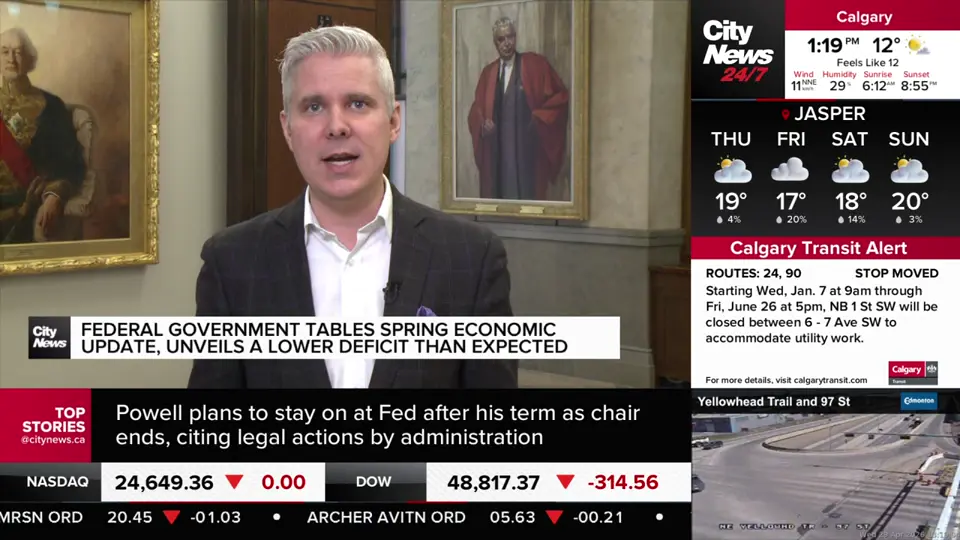
Canada’s economic update delivers mixed signals as Ottawa grapples with the dual challenges of inflation and fiscal sustainability. John Rowe, CBC’s economics correspondent, told listeners that the government’s Spring Economic Update—while broadly positive—failed to address the growing anxiety among young Canadians about job prospects and housing affordability. The update also drew criticism from opposition parties, who accused the government of underestimating the risks of a recession and overestimating its ability to deliver on key promises. The debate over the update’s merits has highlighted the broader challenge of balancing fiscal responsibility with the need for bold investment in Canada’s future.
The Bank of Canada’s decision to hold interest rates steady has drawn mixed reactions, with economists divided over whether the move strikes the right balance between supporting growth and keeping inflation in check. Frances Donald, chief economist at RBC, told CBC Radio One Winnipeg that the Bank’s cautious approach reflects the uncertainty gripping global markets, particularly in the wake of the Iran conflict. Yet, critics argue that the decision may do little to address the underlying issue of rising living costs, which continue to outpace wage growth for many Canadians. The debate over monetary policy has taken on added significance as Ottawa navigates the dual challenges of economic recovery and fiscal sustainability.