cbc-toronto's Power Monitor: Political Shifts, Economic Pressures and Unforeseen Moments Dominate April 29 Coverage


A day of seismic political shifts, economic crosswinds and human stories that defy easy categorisation dominated cbc-toronto’s April 29 broadcast roundup. From Ottawa’s spring economic update to a bizarre accident in Winnipeg, the coverage revealed tensions between policy ambition and lived reality, between global diplomacy and local consequence.
Top Political News, Issues and People
Prime Minister Mark Carney’s announcement of a 30-year high in Canadian military recruitment dominated political coverage, framed as both a strategic triumph and a response to Arctic security imperatives. Carney’s comments on NATO partnerships and multi-year defence spending plans underscored a government positioning itself as a reliable partner amid global instability. Yet, the segment also carried undertones of political legacy, with critics questioning whether recruitment momentum can translate into sustained policy success.
Top Business News, Issues and People
Ottawa’s spring economic update emerged as the central business narrative, with finance minister-led discussions highlighting ‘better-than-expected’ indicators driven by surging oil prices. Analysts framed the update as a balancing act: acknowledging economic resilience while warning of structural challenges. The framing—positive on headline metrics, cautious on underlying fragility—mirrored broader tensions in Canada’s economic recovery.
Top Sports News, Issues and People
No sports stories were selected in today’s curated roundup.
Other Top News, Issues and People
Breaking Ground: Christine Kielbach’s Fall and the Winnipeg Culvert Collapse
The most arresting story of the day was Christine Kielbach’s inexplicable fall into a Winnipeg street hole, a segment that evolved from breaking news to a full-scale investigation. CBC’s exclusive coverage traced the culvert collapse, rescue efforts, and community reaction, revealing systemic questions about urban infrastructure and emergency response. The story’s emotional core—Kielbach’s immediate shock, the neighbourhood’s solidarity—eclipsed its technical details, transforming a local accident into a national conversation about civic safety.
Diplomatic Drama: King Charles III’s Washington Visit and US-UK Tensions
King Charles III’s state visit to the United States unfolded against a backdrop of simmering US-UK tensions, particularly on Iran. Panels dissected the diplomatic messaging, with analysts noting how historical ties and current geopolitical fractures shaped the visit’s optics. The segment highlighted the delicate balance between symbolism and substance in modern diplomacy, where even symbolic gestures carry geopolitical weight.
Military Leadership in Crisis: Pentagon Firings Amid Iran Conflict
The firing of top Pentagon leaders, including General Randy George and Navy Secretary John Phelan, dominated defence coverage as Capitol Hill hearings scrutinised US strategy in the Iran conflict. Interviews with Pete Hegseth and Democratic Representative Adam Smith revealed deep divisions over military spending, with estimates of Iran war costs exceeding $25 billion. The segment framed the firings as both a leadership crisis and a symptom of broader strategic uncertainty in Washington.
Family, Faith and Healing: Emotional Narratives Across Generations
A cluster of emotionally charged stories explored family dynamics, faith crises and healing. From Mrs. Williams’ postpartum health concerns to Sister Monica Joan’s spiritual crisis, the segments revealed how personal struggles intersect with institutional systems. The most compelling narrative centred on Louise Wrigley’s pregnancy and midwifery training expansion proposal, which wove together healthcare policy, family planning and systemic reform.
Crime and Closure: From Winnipeg’s Hole to Cooper Center Robberies
Crime coverage spanned from Winnipeg’s bizarre culvert collapse to an exclusive investigation into a series of robberies linked to Toronto’s Cooper Center. Paula Westfield’s alibi and the engraved watch mystery added layers of intrigue, while Logan’s crime pattern analysis highlighted the human cost of urban decay. These stories underscored how crime narratives often reveal deeper societal fractures.
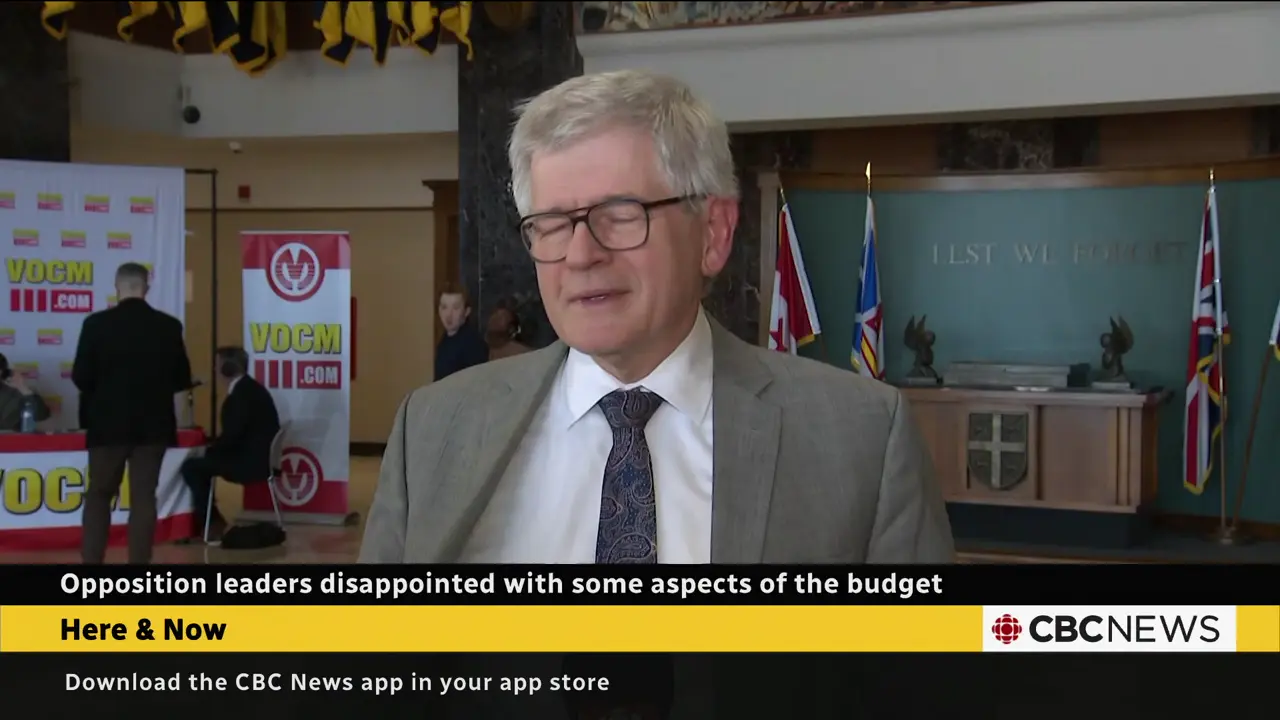
Press Monitor Clips: Minister Blames Previous Administration; Prime Minister Mark Carney on Canadian Military Recruitment; Ottawa Spring Economic Update (Part 1); Newfoundland and Labrador Budget Overview; Christine Kielbach Falling Into Hole: Full Story