Global Crisis Unfolds: Middle East Conflict, Oil Markets, and Political Fallout Dominate Headlines


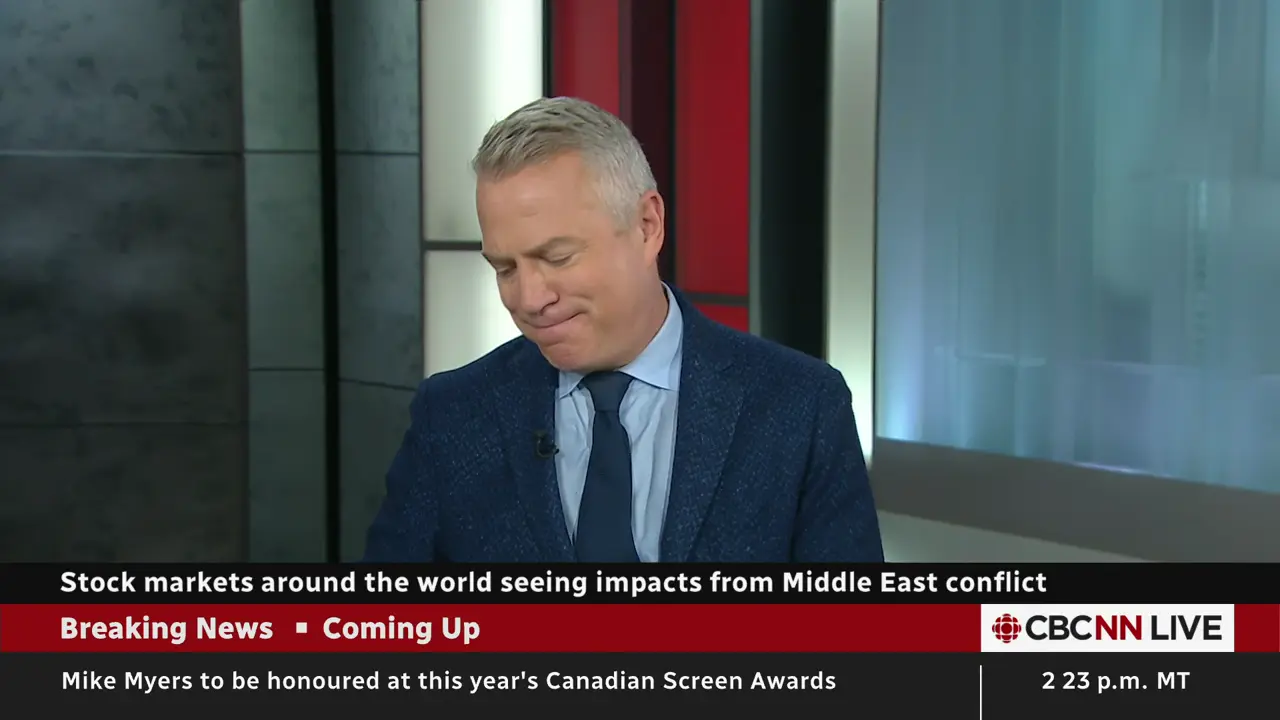
A World on Edge: The Middle East conflict escalated dramatically on March 4, 2026, with Iran at the center of a widening crisis that has drawn in global powers, disrupted oil markets, and triggered a humanitarian catastrophe. The day’s coverage reveals a region teetering on the brink, with military strikes, diplomatic ruptures, and economic tremors radiating outward. From the Strait of Hormuz to the streets of Tehran, the ripple effects of this conflict are being felt from Ottawa to Tel Aviv, reshaping alliances, markets, and political futures.
The Human Cost: Reports from the ground in Iran and neighboring countries paint a harrowing picture of civilian casualties, displaced families, and shattered infrastructure. The U.S. and Israeli military operations have intensified, with Iran’s Revolutionary Guard and allied forces responding with missile strikes and cyber disruptions. The death toll has surpassed 1,100, while internet blackouts in Iran have left millions isolated, unable to access information or communicate with loved ones. In Lebanon, Hezbollah’s involvement has drawn Israel into a broader confrontation, with airstrikes targeting key military and civilian sites.
Oil Markets in Turmoil: The conflict’s immediate economic impact has been severe. Tankers stranded in the Persian Gulf and the Strait of Hormuz—through which 20% of the world’s oil passes—have sent global oil prices soaring. The benchmark Brent crude surged past $120 a barrel, with analysts warning of prolonged disruptions if the crisis deepens. Canadian oil-producing provinces, including Alberta, stand to benefit from higher prices, but the volatility has rattled markets worldwide. The U.S. Energy Information Administration has warned of potential supply shortages, while Saudi Arabia and other Gulf states scramble to secure alternative shipping routes.
Political Fallout and Diplomatic Fractures: The crisis has exposed deep divisions among global leaders. U.S. President Donald Trump’s aggressive military posture has drawn criticism from Democrats and allies alike, with Senate Majority Leader Chuck Schumer leading calls for a War Powers resolution to limit presidential authority. Meanwhile, Canadian Prime Minister Mark Carney has faced pressure to clarify Canada’s stance, balancing support for diplomatic solutions with the need to address regional security concerns. In Europe, UK Prime Minister Keir Starmer has deployed Royal Navy assets to Cyprus, citing Iranian drone strikes as a direct threat to regional stability.
Canada’s Role and Domestic Pressures: Closer to home, Canada is grappling with its own challenges. The federal government is under scrutiny for its immigration policies, with Quebec’s Premier Christine Fréchette defending revisions to the provincial economic immigration program, the PSTQ, amid growing labor shortages. Opposition leader Pierre Polyev’s high-profile trip to London has sparked debate over Canada’s conservative future, while the humanitarian crisis in the Middle East has reignited discussions about Canada’s role in global conflict resolution.
The Olympic Shadow: Amid the chaos, the world’s athletes are preparing for the Olympic Games, with Canadian competitors reflecting on the personal and professional challenges of competing on the global stage. The juxtaposition of athletic ambition and geopolitical strife underscores the stark contrasts of 2026—a year defined by both hope and peril.
cbcnn's Best Political Coverage: Escalating Tensions and Diplomatic Fault Lines
Canada-U.S. Relations Strain Under Iran Crisis: Prime Minister Mark Carney’s visit to Canberra and his address to the Australian Parliament highlighted the delicate balance Canada must strike in its relationship with the U.S. amid the Iran conflict. Carney’s refusal to explicitly condemn U.S. military actions has drawn criticism, with opposition figures questioning Canada’s commitment to international law. The segment "Political Dynamics on Iran and the U.S." [369 sec] features a panel discussion dissecting Carney’s diplomatic tightrope, including his lack of communication with President Trump since the strikes began. [CLIP: Political Dynamics on Iran and the U.S. - 369 sec]
U.S. Congress Pushes Back on War Powers: The Senate’s debate over a War Powers resolution has become a flashpoint in Washington, with Democrats arguing that the Trump administration lacks clear objectives in Iran. The segment "Senate Discussion on Military Action" [313 sec] captures the heated exchanges, including concerns over civilian casualties and the potential for mission creep. [CLIP: Senate Discussion on Military Action - 313 sec]
Quebec’s Immigration Policy Under Fire: Quebec Premier Christine Fréchette’s overhaul of the PSTQ program has sparked controversy, with critics arguing the changes prioritize economic needs over humanitarian concerns. The segment "Changes to Economic Immigration Program" [240 sec] explores the political and social fallout, including protests from immigrant advocacy groups. [CLIP: Changes to Economic Immigration Program - 240 sec]
Pierre Polyev’s Conservative Gambit: The new leader of Canada’s Conservative Party, Pierre Polyev, has embarked on a high-profile trip to London, where he addressed a conservative think tank and outlined his vision for the party. The segment "Pierre Polyev's Foreign Trip and Political Strategy" [133 sec] examines his reception among supporters and critics, as well as the challenges he faces in uniting a divided party. [CLIP: Pierre Polyev's Foreign Trip and Political Strategy - 133 sec]
Press Monitor Clips: Meeting on AI Safety Protocols; Senate Discussion on Military Action; Changes to Economic Immigration Program
cbcnn's Best Business Coverage: Oil Markets, Shipping Crises, and Economic Uncertainty
Oil Prices Surge Amid Strait of Hormuz Disruptions: The conflict’s most immediate economic impact has been on global oil markets. Tankers stranded in the Persian Gulf and the Strait of Hormuz—through which 20% of the world’s oil passes—have sent prices soaring. The segment "Impact of Middle Eastern Conflict on Global Oil Supply" [62 sec] provides a real-time analysis of the market reaction, with senior business correspondent Nisha Patel warning of prolonged disruptions. [CLIP: Impact of Middle Eastern Conflict on Global Oil Supply - 62 sec]
Global Shipping Crisis Intensifies: The Middle East conflict has paralyzed shipping in the Strait of Hormuz, with hundreds of tankers stranded and Iran’s Revolutionary Guard asserting control over the critical waterway. The segment "Global Shipping Crisis Report" [173 sec] features correspondent Inzimam Rashid detailing the logistical and economic fallout, including the potential for a global energy crisis. [CLIP: Global Shipping Crisis Report - 173 sec]
Canadian Markets React to Geopolitical Shocks: The surge in oil prices has sent ripples through Canadian markets, with the TSX and TSX Venture Exchange experiencing volatility. The segment "Global Market Reactions to Oil Prices" [242 sec] includes insights from analysts at the New York Stock Exchange, who discuss the implications for Canadian oil producers and the broader economy. [CLIP: Global Market Reactions to Oil Prices - 242 sec]
Food Supply Sovereignty in Question: Canada’s reliance on imported food has come under scrutiny, with the segment "Canada's Food Supply Sovereignty" [19 sec] highlighting the vulnerabilities exposed by the conflict. Experts discuss the need for greater self-sufficiency in food production, particularly in the face of rising protectionism and trade disruptions. [CLIP: Canada's Food Supply Sovereignty - 19 sec]
Press Monitor Clips: Impact of Middle Eastern Conflict on Global Oil Supply; Global Shipping Crisis Report; Global Market Reactions to Oil Prices
cbcnn's Best Sports Coverage: Olympic Hopes Amid Global Turmoil
Athletes’ Journey to the Olympics: As the world grapples with the Middle East crisis, Canadian athletes are putting the final touches on their preparations for the Olympic Games. The segment "Preparations for the Olympic Games" [154 sec] captures the emotional and physical journey of the athletes, highlighting the personal stories behind their pursuit of Olympic glory. [CLIP: Preparations for the Olympic Games - 154 sec]
The Olympic Spirit in a Time of Crisis: The juxtaposition of athletic ambition and geopolitical strife has not gone unnoticed. The segment "Journey to the Olympic Games" [6 sec] reflects on the broader significance of the Games, offering a moment of hope and unity amid the chaos. [CLIP: Journey to the Olympic Games - 6 sec]
Press Monitor Clips: Preparations for the Olympic Games; Journey to the Olympic Games
cbcnn's Best in Other Coverage: Humanitarian Crisis, Media Blackouts, and Regional Fallout
Iran’s Humanitarian Catastrophe: The Middle East conflict has triggered a humanitarian crisis of staggering proportions. The segment "On the Ground Reports from Iran" [292 sec] features correspondent Briar Stewart detailing the civilian impact of the conflict, including missile strikes, internet blackouts, and the displacement of thousands. [CLIP: On the Ground Reports from Iran - 292 sec]
Internet Blackouts and Information Control: As the conflict rages, Iran’s government has imposed severe internet restrictions, leaving millions unable to access news or communicate. The segment "Internet Blackouts in Iran amidst War" [328 sec] explores the implications of this censorship, including the potential for authoritarian regimes to exploit such blackouts in the future. [CLIP: Internet Blackouts in Iran amidst War - 328 sec]
Canada’s Evacuation Efforts in Lebanon: Global Affairs Canada has arranged an emergency evacuation for Canadian citizens stranded in Lebanon, with a commercial flight departing Beirut for Istanbul. The segment "Canadian Evacuation from Lebanon" [32 sec] provides critical details for affected families and highlights the logistical challenges of such operations. [CLIP: Canadian Evacuation from Lebanon - 32 sec]
U.S. Military Operations and Regional Escalation: The U.S. has intensified its military campaign in the Middle East, with Secretary of War Pete Hegseth reporting early successes in Iran. The segment "U.S. Submarine Sinks Iranian Warship and Following Developments" [158 sec] details the sinking of an Iranian warship and the subsequent fallout, including casualties and regional reactions. [CLIP: U.S. Submarine Sinks Iranian Warship and Following Developments - 158 sec]
UK Deploys Military Assets to Cyprus: In response to Iranian drone strikes, UK Prime Minister Keir Starmer has ordered the deployment of a warship and helicopters to Cyprus. The segment "UK Military Response to Iranian Drone Strikes in Cyprus" [147 sec] examines the UK’s military strategy and the broader implications for regional security. [CLIP: UK Military Response to Iranian Drone Strikes in Cyprus - 147 sec]
Press Monitor Clips: On the Ground Reports from Iran; Internet Blackouts in Iran amidst War; Canadian Evacuation from Lebanon
What’s Next? The Middle East conflict shows no signs of abating, with analysts warning of a prolonged and increasingly complex crisis. The humanitarian toll is mounting, oil markets remain volatile, and political leaders are under intense pressure to navigate the fallout. For Canada, the stakes are particularly high, as the country balances its economic interests, humanitarian obligations, and diplomatic alliances. As the Olympic Games approach, the world will be watching—both for athletic triumphs and for signs of de-escalation in a region on the brink.