Global Tensions Dominate: Trump's NATO Criticism, Iran Escalation, and Economic Fallout Drive Today's News


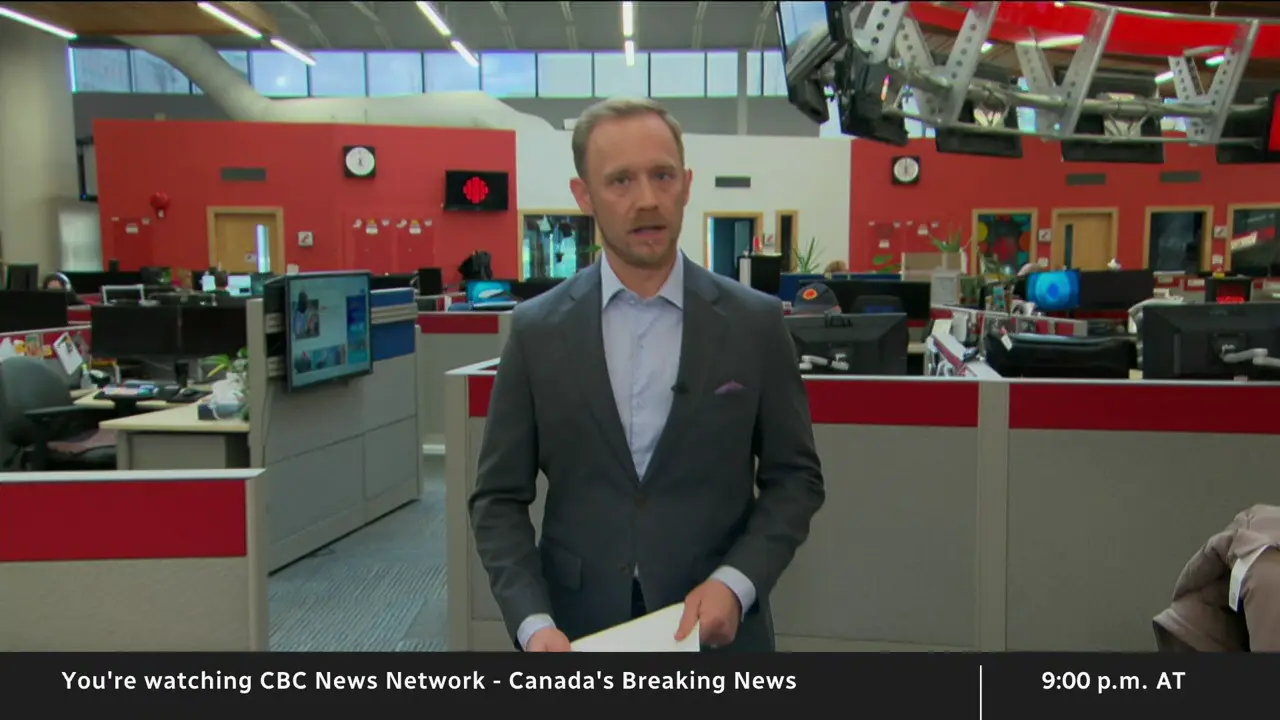
Global tensions dominated headlines today as U.S. President Donald Trump escalated criticism of NATO allies over the Strait of Hormuz, while Iran-related conflicts and economic uncertainties reshaped geopolitical and financial landscapes. From Havana to Ottawa, Havana to Vancouver, the ripple effects of these crises are being felt across energy markets, trade routes, and diplomatic corridors. Today’s curated roundup distills the most consequential developments into a dense, scannable briefing designed for leaders who need to grasp the day’s most critical shifts without wading through the noise.
Top Political News, Issues and People
The White House became the epicenter of geopolitical friction as President Trump intensified his rhetoric against NATO, accusing allies of cowardice for failing to secure the Strait of Hormuz—a critical chokepoint for global oil trade. In a sharp departure from traditional diplomacy, Trump framed the alliance’s inaction as a direct threat to U.S. and allied interests, warning that the failure to act would embolden adversaries in the Middle East. The comments, delivered amid rising tensions with Iran, underscore a growing divide within the transatlantic alliance over burden-sharing and strategic priorities.
Trump’s NATO Criticism and the Strait of Hormuz: Trump’s latest salvo targeted NATO members, calling them ‘cowards’ for not defending the Strait of Hormuz, a vital shipping lane through which nearly a fifth of the world’s oil passes. The criticism comes as Iran-backed groups have repeatedly threatened to disrupt traffic in the strait in response to regional conflicts. Analysts warn that Trump’s rhetoric risks further straining U.S.-European relations at a time when unity is critical to countering Iranian aggression. The White House has yet to clarify whether Trump’s remarks signal a shift in U.S. defense commitments or are part of a broader strategy to pressure allies into greater military engagement.
Canada’s Middle East Stance Under Pressure: Canadian Defense Minister Pierre Poilievre faced intense scrutiny over Ottawa’s evolving position on potential military involvement in the Middle East. U.S. pressure on Canada to open the Strait of Hormuz route for oil shipments has intensified, with Washington framing the issue as a shared responsibility under NATO. Poilievre sought to clarify Canada’s stance, emphasizing a cautious approach while acknowledging the need for regional stability. The segment highlighted the delicate balance Canada must strike between alliance obligations and domestic political considerations, particularly as public opinion remains divided on military engagement abroad.
Cuba Reacts to U.S. Oil Embargo Remarks: In Havana, the Cuban government responded sharply to remarks by President Trump about removing the Cuban president amid ongoing discussions over the U.S. oil embargo. The embargo, which has crippled Cuba’s economy for decades, has been a flashpoint in U.S.-Cuba relations. Analysts noted that Trump’s comments risk exacerbating economic hardship in Cuba, where fuel shortages and a collapse in tourism have already pushed the country to the brink. The segment explored the potential humanitarian and geopolitical consequences of tightening the embargo, including the impact on regional stability and U.S. influence in the Caribbean.
Iran Conflict Escalation and De-escalation Signals: The Middle East remained a powder keg as President Trump’s shifting rhetoric on Iran fueled speculation about U.S. intentions. While Trump has alternately called for dialogue and warned of military action, his administration’s deployment of additional U.S. Marines and warships to the region has raised concerns about unintended escalation. Analysts dissected the mixed messages, noting that Trump’s public statements often contradicted behind-the-scenes diplomatic efforts to secure a ceasefire. The segment concluded with speculation about the new Iranian supreme leader’s conditions for negotiations, highlighting the fragility of the current standoff.
Press Monitor Clips: Trump attacks NATO allies on Strait of Hormuz; Canada's Middle East Stance: US Pressure and NATO Response; Trump’s Mixed Messages and Escalation in Iran Conflict
Top Business News, Issues and People
Energy markets and economic policy took center stage as geopolitical tensions in the Middle East sent shockwaves through global supply chains. The Strait of Hormuz blockade, a recurring flashpoint, once again emerged as a critical vulnerability for the world’s energy infrastructure. Meanwhile, Quebec’s financial leadership provided a rare glimpse into how subnational governments are navigating the fallout from international crises, trade disputes, and domestic policy challenges.
Middle East War Analysis: Economic and Political Fallout: The war between Iran and U.S./Israeli forces continued to roil energy markets, with analysts warning of potential disruptions to oil supplies if the Strait of Hormuz were to be blocked. Gas prices have already spiked in response to the conflict, raising concerns about inflation and economic growth. The segment examined the war’s broader implications, including the impact on U.S. military deployments, NATO cohesion, and global trade routes. Energy analysts emphasized that prolonged instability in the region could trigger a supply shock, with ripple effects felt across industries and economies worldwide.
Strait of Hormuz Blockade and Iran’s Energy Dependence: The Strait of Hormuz’s role as a global oil chokepoint took center stage as Dan Burritt dissected the potential consequences of a blockade. Iran, heavily dependent on the strait for oil exports, has repeatedly threatened to disrupt traffic in response to sanctions and military pressure. The segment explored the geopolitical and economic calculus behind Iran’s threats, as well as the U.S.-led response to safeguard the critical waterway. Analysts warned that a prolonged blockade could trigger a global energy crisis, with far-reaching consequences for fuel prices, inflation, and economic stability.
Quebec’s Approach to Carbon Tax and Economic Policy Amid Global Turmoil: Quebec Finance Minister Eric Girard outlined the province’s strategy for navigating economic uncertainty, including the impact of U.S. tariffs, the Middle East conflict, and the KUSMA trade review. Girard emphasized Quebec’s commitment to fiscal responsibility, despite the challenges posed by global turmoil. The segment delved into the province’s assumptions about oil prices, energy market risks, and the broader implications of the KUSMA review for Quebec’s economy. Analysts noted that Quebec’s approach reflects a broader trend among subnational governments to balance fiscal prudence with the need to address economic shocks.
Quebec’s Financial Minister on Budget Strategy and Economic Challenges: In a candid interview, Girard discussed Quebec’s budget strategy amid rising economic headwinds. He addressed the impact of U.S. tariffs, the Middle East conflict, and the KUSMA review on the province’s finances, emphasizing a cautious approach to spending and revenue generation. Girard’s remarks highlighted the challenges facing policymakers as they seek to support households and businesses while maintaining fiscal discipline. The segment underscored the delicate balance between addressing immediate economic pressures and planning for long-term stability.
Press Monitor Clips: Middle East War Analysis: Economic and Political Fallout; Quebec Finance Minister Eric Girard on Budget Strategy and Economic Challenges; Quebec’s Financial Minister on Budget Responsibility and Energy Market Risks
Top Sports News, Issues and People
The sports world delivered a historic moment as the WNBA secured a groundbreaking collective bargaining agreement, setting the stage for a new era of financial empowerment for its players. Meanwhile, the NCAA women’s basketball tournament kicked off with a record number of Canadian participants, while the Professional Women’s Hockey League (PWHL) continued to gain momentum as a premier women’s sports league.
WNBA Historic Deal: Million-Dollar Players: The WNBA’s historic collective bargaining agreement, which guarantees million-dollar salaries for top players, marked a watershed moment for women’s sports. The deal, negotiated with the WNBA Players Union, reflects growing recognition of the league’s commercial potential and the need to address long-standing disparities in player compensation. Analysts highlighted the financial implications for the league’s growth, as well as the broader impact on women’s sports in North America. The segment featured interviews with sports reporters and analysts, who praised the agreement as a step toward greater equity and opportunity for female athletes.
Women's NCAA March Madness Bracket Highlights: The NCAA women’s basketball tournament began with a record number of Canadian participants, including Toby Fournier of Duke University. The segment provided a preview of the tournament, highlighting the rising prominence of Canadian players in one of the most prestigious college sports events in the world. Analysts noted that the increased visibility of Canadian athletes could inspire a new generation of players and further elevate the profile of women’s basketball in North America.
PWHL Skate Coverage Teaser: The Professional Women’s Hockey League (PWHL) continued to build momentum as the Minnesota Frost faced off against the Vancouver Golden Eyes in a highly anticipated matchup. The segment previewed the game, which aired on CBC and CBC Gem, and highlighted the league’s growing popularity and competitive depth. Analysts emphasized the PWHL’s role in advancing women’s hockey and providing a platform for elite female athletes to showcase their skills on a national stage.
PWHL Skating Segment: Coverage of the PWHL match between the Minnesota Frost and Vancouver Golden Eyes provided a glimpse into the league’s rapid growth and the high caliber of play on display. The segment underscored the PWHL’s commitment to fostering talent and promoting gender equity in sports. Analysts noted that the league’s success could pave the way for further expansion and investment in women’s hockey, both in Canada and the United States.
Press Monitor Clips: WNBA Historic Deal: Million-Dollar Players; Women's NCAA March Madness Bracket Highlights; PWHL Skating Segment
Other Top News, Issues and People
Beyond politics, business, and sports, today’s roundup also highlighted pressing social and cultural issues, from rat infestations in Nova Scotia to the celebration of Eid al-Fitr in Jerusalem. These stories, while distinct in focus, collectively underscore the breadth of challenges facing communities across North America and the Middle East.
Trump vs. Analyst on Iran War Strategy: Analysts critiqued President Trump’s military strategy in Iran, questioning his approach to ceasefires and NATO’s role in defending the Strait of Hormuz. The segment featured a debate between Trump and military analysts, who dissected the president’s mixed messages and the potential consequences of his policies. Analysts warned that Trump’s rhetoric risks escalating tensions and undermining diplomatic efforts to de-escalate the conflict. The discussion also explored Iran’s military capabilities and the U.S. military buildup in the region, highlighting the fragility of the current standoff.
Ongoing Iran-U.S. Conflict Developments: Continuous updates on the war between Iran and U.S./Israeli forces provided a real-time snapshot of the conflict’s escalation. The segment covered attacks on military sites, Iranian military threats, and U.S. military responses, as well as the ongoing blockade of the Strait of Hormuz. Analysts emphasized the humanitarian and geopolitical consequences of the conflict, including the risk of further destabilization in the Middle East. The updates underscored the urgency of diplomatic efforts to prevent a broader regional war.
Rat Infestation in Dartmouth, Nova Scotia: A severe rat infestation in a Dartmouth apartment complex became a flashpoint for community outrage as residents reported repeated incidents of rats chewing through vehicle wiring, causing significant repair costs. The segment detailed the struggles of residents and authorities to address the infestation, which has been linked to construction-related issues. Analysts noted that the crisis highlights broader challenges in urban pest management and the need for coordinated responses to protect communities from health and safety risks.
Eid al-Fitr and Jerusalem Conflict Updates: The celebration of Eid al-Fitr, marking the end of Ramadan, provided a moment of cultural and religious significance amid ongoing tensions in Jerusalem. The segment covered security measures at Al-Aqsa Mosque and the broader context of the Jerusalem conflict, including the impact of the U.S.-Israeli war in Iran. Analysts noted that the juxtaposition of religious celebration and geopolitical strife underscores the complex realities facing communities in the region.
Press Monitor Clips: Trump vs. Analyst on Iran War Strategy; Ongoing Iran-U.S. Conflict Developments; Rat Infestation in Dartmouth, Nova Scotia