Toronto's Power Monitor: Political Scandals, Economic Shifts, Sports Surge and Crime Alerts Dominate 24 April 2026


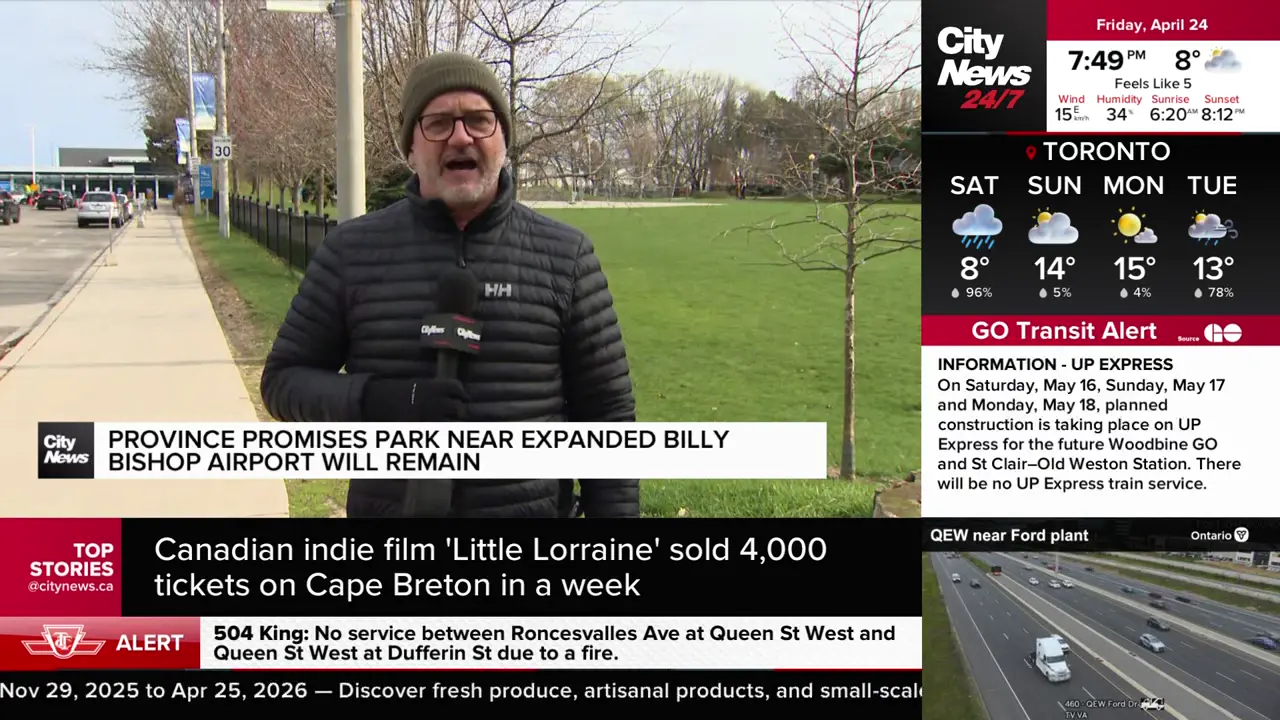
Toronto’s news cycle on 24 April 2026 was dominated by escalating political scandals, sharp economic policy debates, a sports season in full swing, and a wave of crime alerts gripping the city. From Freedom of Information cover-up accusations against the Ford government to a $4 billion natural gas pipeline approval in British Columbia, the day’s coverage revealed deep tensions across governance, markets, and public life.
Political storm over records and raids
The Ontario government faced fresh scrutiny over alleged record-keeping changes and destruction, with opposition parties accusing Premier Doug Ford’s administration of attempting to hide information. The accusations intensified after Prime Minister’s comments about government transparency under the Freedom of Information Act, prompting a panel discussion on the implications for democratic accountability in Toronto and across Ontario.
Meanwhile, a dramatic U.S. military raid in Caracas captured Venezuelan President Nicolas Maduro and his wife, with a U.S. Special Forces soldier later charged with insider trading after placing over $400,000 in bets on classified information. The case has raised questions about security protocols and the intersection of military operations with financial misconduct, resonating in Ottawa and Toronto’s political circles.
Geopolitical chess moves
Canada’s role in global diplomacy took center stage as the U.S. pursued peace talks with Iran, with special envoys engaging in high-stakes negotiations. Reports highlighted security preparations in Pakistan and the involvement of key figures such as Jared Kushner and U.S. Vice President J.D. Vance. The talks, aimed at easing tensions in the Strait of Hormuz, carry significant implications for energy markets and regional stability, directly impacting Toronto’s business and policy stakeholders.
Economic flashpoints: pipelines, layoffs and ticket laws
Energy policy became a flashpoint as federal approval of a $4 billion natural gas pipeline in British Columbia sparked debate over oil versus gas infrastructure. A panel featuring political strategists dissected the federal-provincial divide, with Alberta’s interests clashing against British Columbia’s environmental and economic priorities. The discussion underscored the broader challenge of balancing energy development with climate commitments—a debate that resonates deeply in Toronto’s corporate and policy circles.
On the corporate front, tech layoffs at Meta and Nike signaled ongoing economic uncertainty, with analysts warning of broader market volatility. The cuts, coming amid shifting regulatory sands, prompted discussions about the future of the tech and retail sectors in Canada. Toronto’s role as a financial hub faced renewed scrutiny as investors weighed the impact of global tech retrenchment on local markets.
Ticket resale legislation in Ontario also grabbed headlines, with new laws capping resale prices above original purchase levels. The move, targeting platforms like Ticketmaster and StubHub, has drawn mixed reactions from industry leaders and consumers alike. Critics argue it may stifle market flexibility, while supporters see it as a win for fairness in Toronto’s entertainment economy.
Sports season heats up
Toronto’s sports scene took center stage as the Toronto Tempo, Toronto Scepters, and Toronto Raptors geared up for a pivotal season. The Tempo, the city’s new WNBA franchise, announced a $100 million practice facility at Exhibition Place, marking a major investment in women’s sports infrastructure. The facility, set to open before the 2028 season, reflects growing momentum for gender equity in athletics.
Meanwhile, the Toronto Raptors faced a crucial Game Four against the Cleveland Cavaliers, with RJ Barrett stepping into the spotlight. The series, played at Scotiabank Arena, has become a focal point for Toronto’s basketball community, drawing national attention. Analysts highlighted the mental and physical toll on players, with injuries and recovery dominating pre-game discussions.
Crime wave grips Toronto
Toronto’s streets were the scene of multiple crises, from a fatal school bus collision in Caledon to a hit-and-run involving a stolen pickup truck near Jane and Wilson streets. A missing woman investigation in Burlington, linked to a suspected drug lab, added to the city’s mounting safety concerns. Police sources described the incidents as part of a broader pattern of auto thefts and violent crime, prompting calls for increased enforcement and community engagement.
Transit disruptions compounded the challenges, with subway maintenance and GO Transit adjustments causing delays during the Khalsa Day parade. The event, a major cultural celebration, drew thousands to Nathan Phillips Square, underscoring the intersection of community events and urban infrastructure.
Press Monitor Clips: Ontario government FOI record changes under scrutiny; Natural Gas Pipeline Approval: $4 Billion Project in British Columbia; Toronto Tempo: Players Adjust to Life in Toronto